




The exhibition "Fire and Clay, Eternal Treasures: Ancient Chinese Porcelain" will open at Qianhai Museum on Oct. 30, featuring pieces from the National Museum of China's collection.
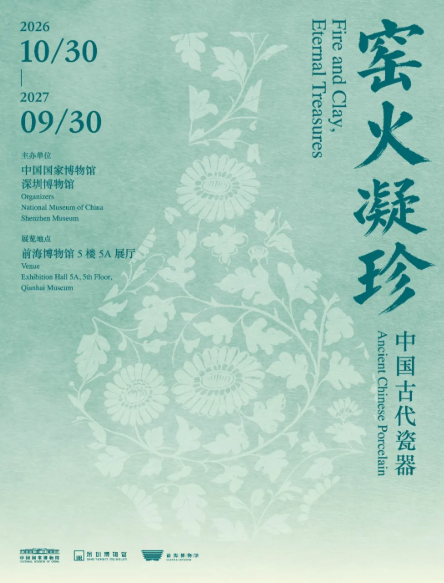
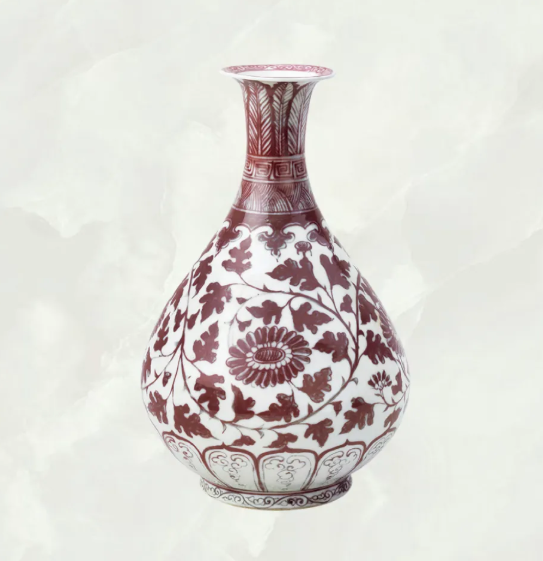
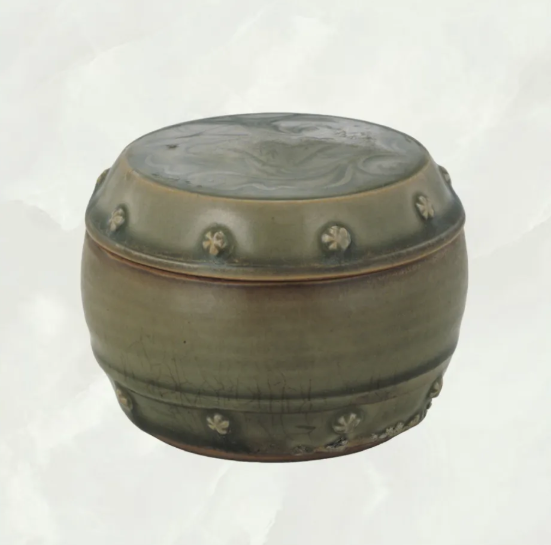
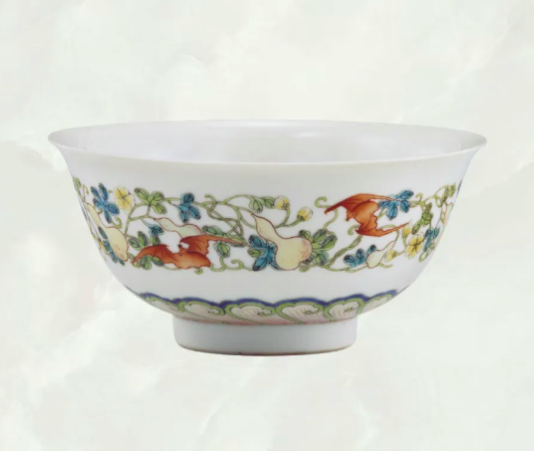
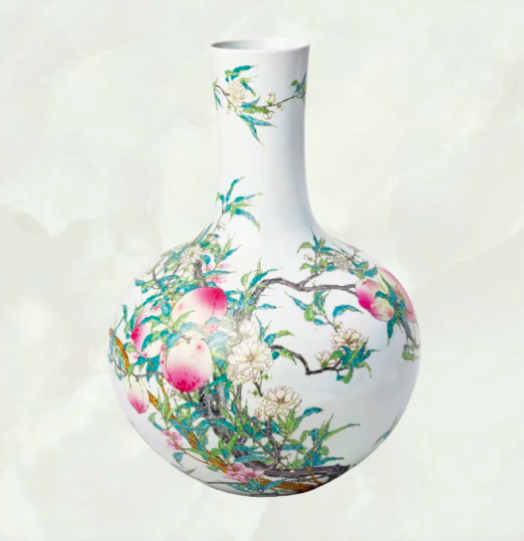
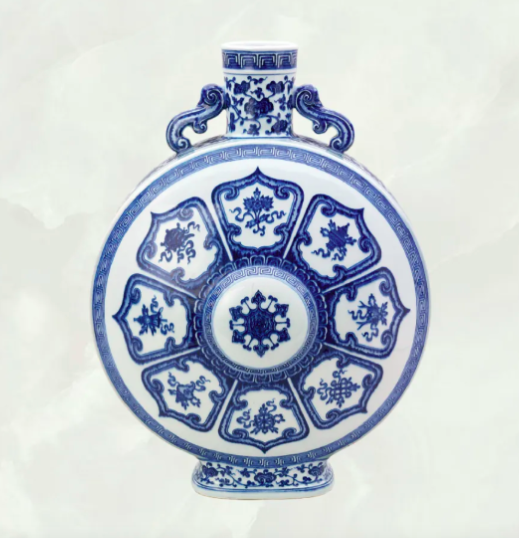
The exhibition traces the evolution of Chinese porcelain from proto-porcelain to mature wares. Representative pieces span different periods, from the "celadon in the south and white porcelain in the north" of the Sui (581–618) and Tang (618–907) dynasties to the famous kilns of the Song Dynasty (960–1279). Blue-and-white porcelain and famille rose ware of the Ming (1368–1644) and Qing (1644–1912) dynasties are also on display.
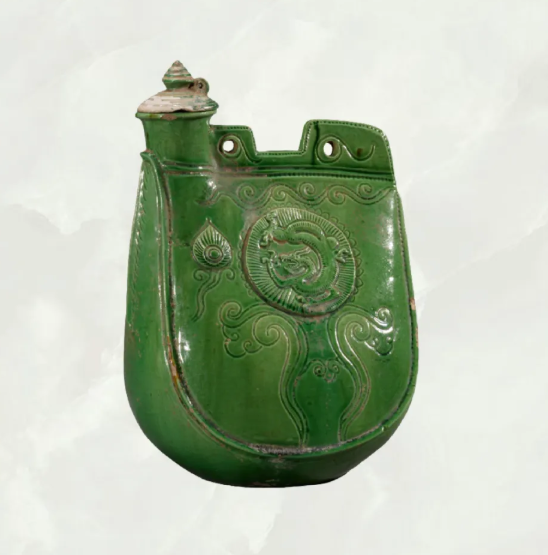
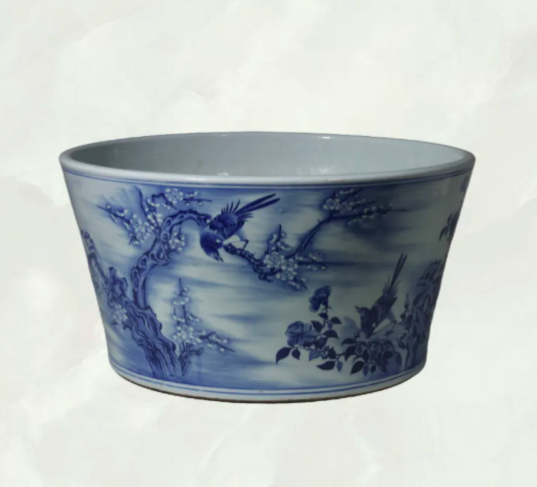
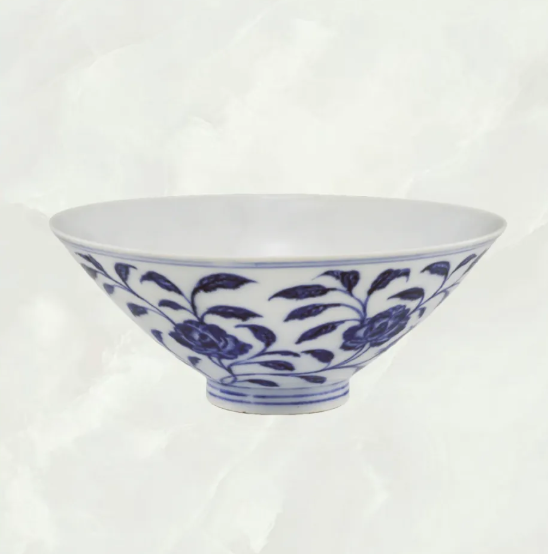
Several exhibits reflect cultural exchanges between ancient China and the outside world. Yuan Dynasty (1271–1368) blue-and-white porcelain utilized pigments from Persia with decorative motifs blending Chinese scrolling lotus patterns and geometric designs from the Western Regions. Blue-and-white porcelain of the Ming Yongle (1403–1424) and Xuande (1426–1435) periods used smalt, an imported cobalt. Some vessel forms drew on West Asian and Persian styles. During the Ming and Qing dynasties, blue-and-white porcelains were exported to Europe via maritime trade, becoming a calling card through which the world came to know the East.
Duration: Oct. 30, 2026 – Sept. 30, 2027
Location: Exhibition Hall 5A, 5th Floor, Qianhai Museum, Shenzhen
Source: Shenzhen Museum